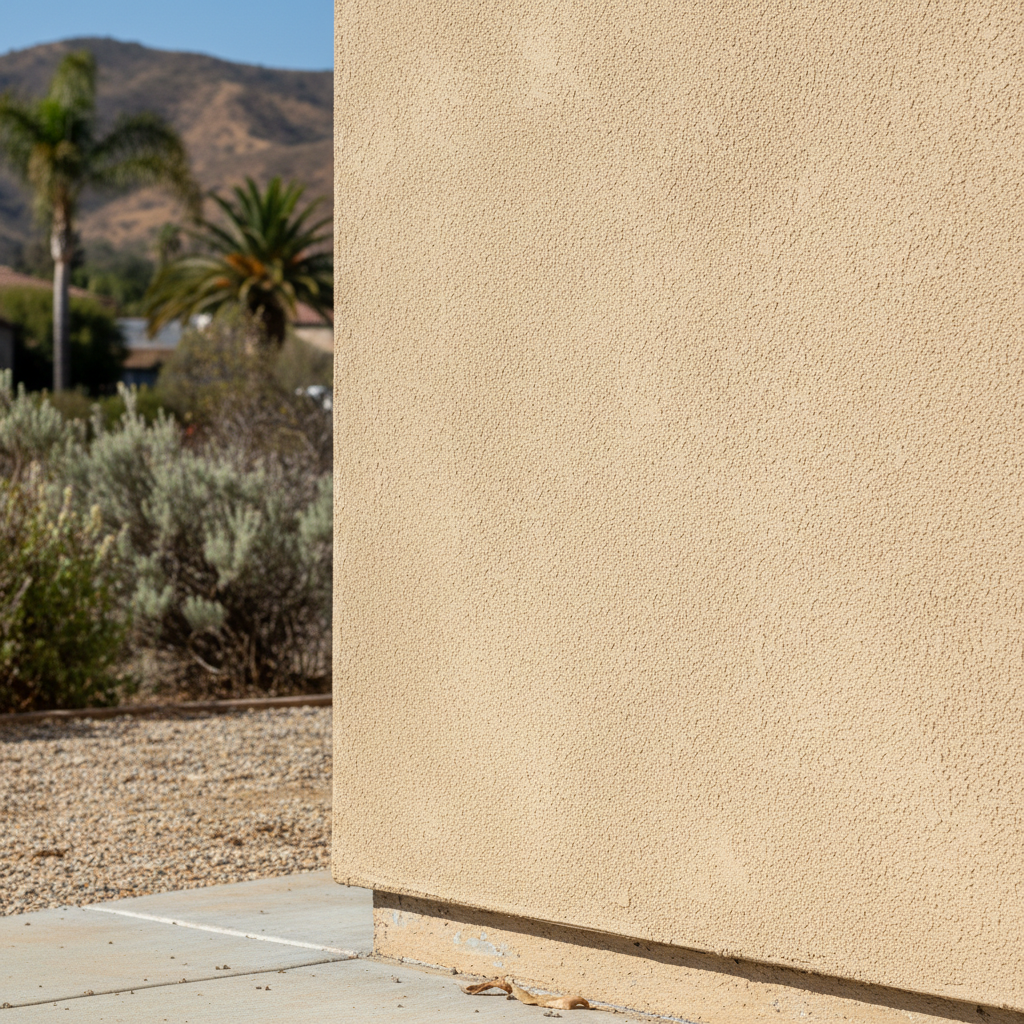
Got questions about redashing your stucco? Good. It's a big job, and you shouldn't jump into it without understanding what you're actually getting into. I've been doing this work in Chula Vista for a long time, and I hear the same questions over and over. So, I figured I'd just lay out the answers here, no fluff, just what you need to know.
What exactly is stucco redashing, and how's it different from a repair?
Alright, so redashing is basically giving your stucco a fresh, new top coat. Think of it like resurfacing, really. You're not tearing everything off down to the lath – that's a full replacement. Instead, you're putting a new finish layer right over your existing, solid stucco base. It's a great way to refresh the look, change the texture, or even alter the color without going through a complete tear-off.
A repair, on the other hand, usually means fixing specific damage. Maybe a crack here, a hole there, or some delamination in a small section. You're just patching up isolated problems. Redashing is much more comprehensive; it covers the whole thing. If you've got widespread cracking, fading, or just an outdated texture across your entire home, redashing is what you're looking at. If it's just a few spots, though, you're probably looking at repairs.
Can I just paint my old stucco instead of redashing it? What's the real difference?
You can paint it, sure. Lots of people do. But it's not the same thing as redashing, not by a long shot. Painting puts a thin layer of color on the surface. It can make it look better for a while, cover up some minor discoloration, but it won't fix texture issues, hide deeper hairline cracks, or add any structural integrity. Paint also needs re-doing every few years, especially with our intense Chula Vista sun beating down on homes in places like Eastlake or Otay Ranch.
Redashing, however, actually applies a new layer of cementitious material. It's thicker, more durable, and becomes an integral part of your wall system. It can completely change the texture, fill in minor imperfections, and give you a much longer-lasting finish than paint ever will. It's a bigger investment upfront, but it pays off in durability and curb appeal that paint just can't match.
How long does a redash job typically take?
That's a tough one to give a precise answer without seeing the house, but I can give you a general idea. For an average-sized single-family home, you're usually looking at anywhere from one to three weeks from start to finish. That includes prep work, application, and curing time. It really depends on the size of your house, the complexity of the architectural details, the weather (you don't want to rush curing in humid conditions), and the crew size. We always aim for efficiency, but we won't cut corners just to shave a day off the schedule. Quality matters more.
What kind of textures can I get with a redash?
Oh, you've got options! That's one of the cool things about redashing. You're not stuck with what you had. We can go for a smooth Santa Barbara finish, a classic dash texture (which is where